
ICExtend for business
A place in the aisle. A role in the routine.
ICExtend is a dry mineral powder for cooling ice around sealed bottles and cans. For retailers, distributors and beverage teams, the next question is practical: where could it fit?
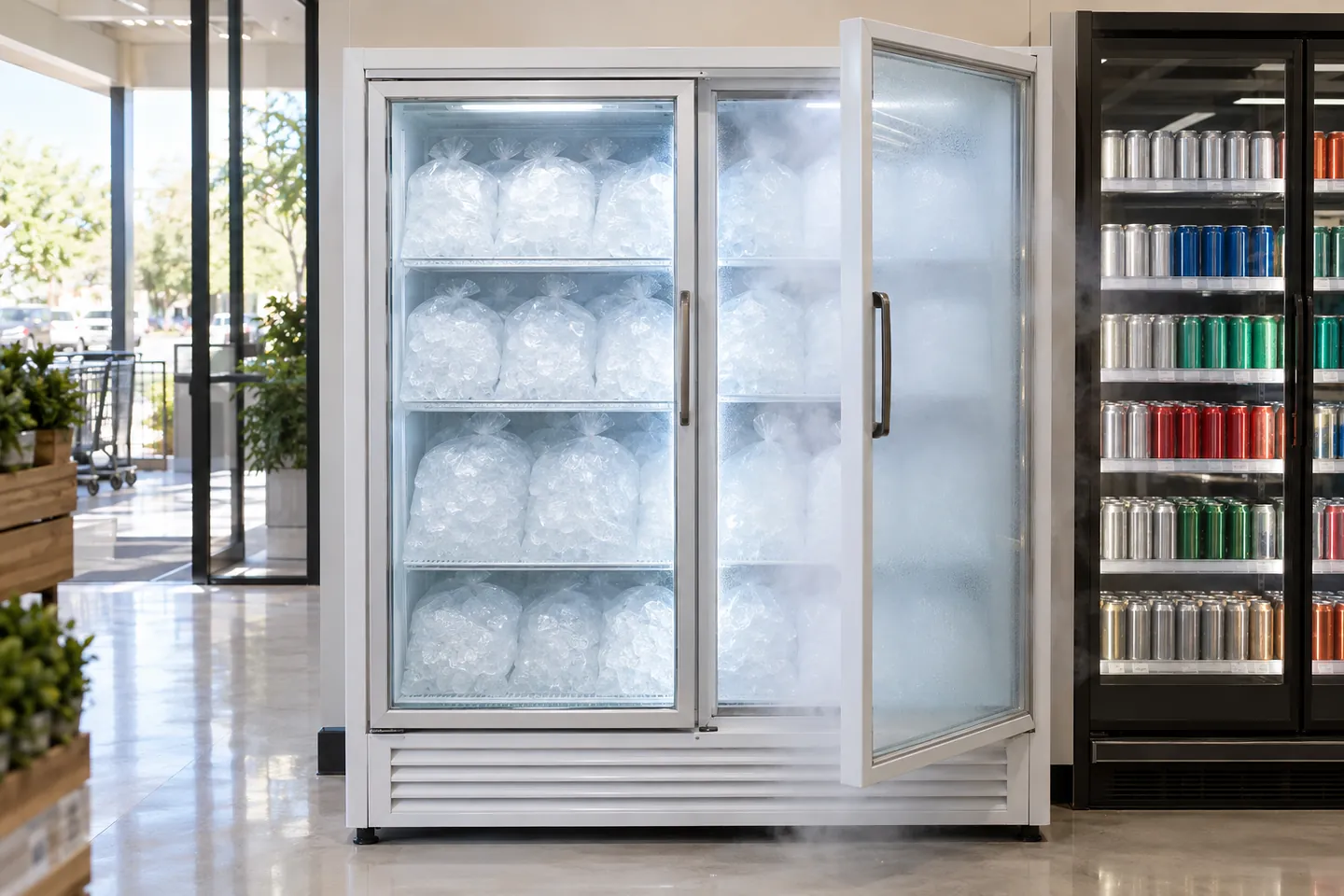
Retail & distribution
Start where people buy their ice.
For grocery and convenience stores, product fit starts with a familiar purchase: ice for a cooler full of sealed drinks.
Discuss how to explain the product, potential placement near the ice aisle and the information shoppers need to use it correctly.
Distributor and direct-store-delivery (DSD) inquiries are welcome. Share your territory, store formats and replenishment model to discuss current product information and potential next steps.
Ice suppliers & distributors
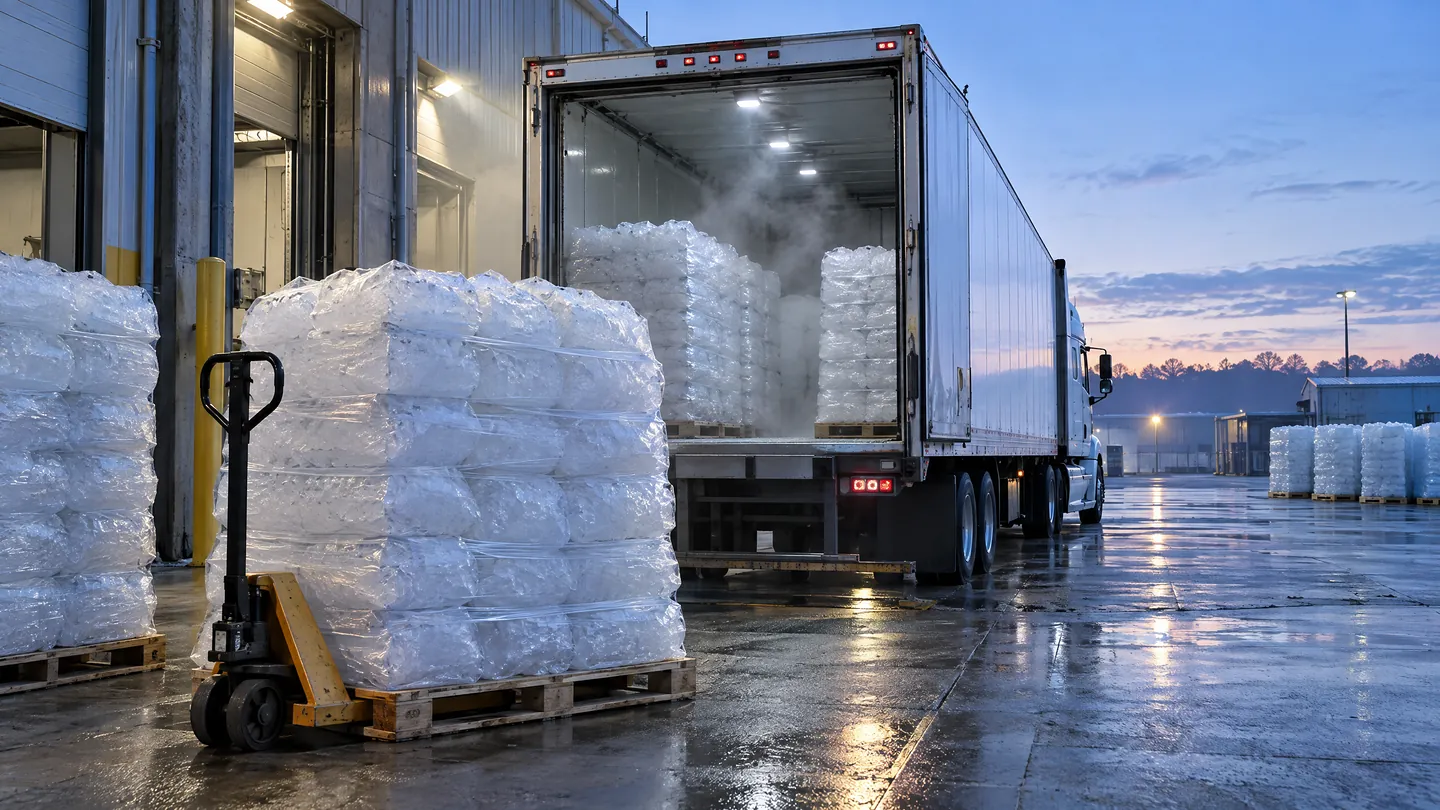
Ice moves by the pallet. Start the conversation there.
Ice plants and distributors move cooling ice by the truckload, all season long.
If you supply ice to stores, venues or events, tell us about your routes and customers. We will share current product information and talk through next steps.
Commercial operations
One station. Your working routine.
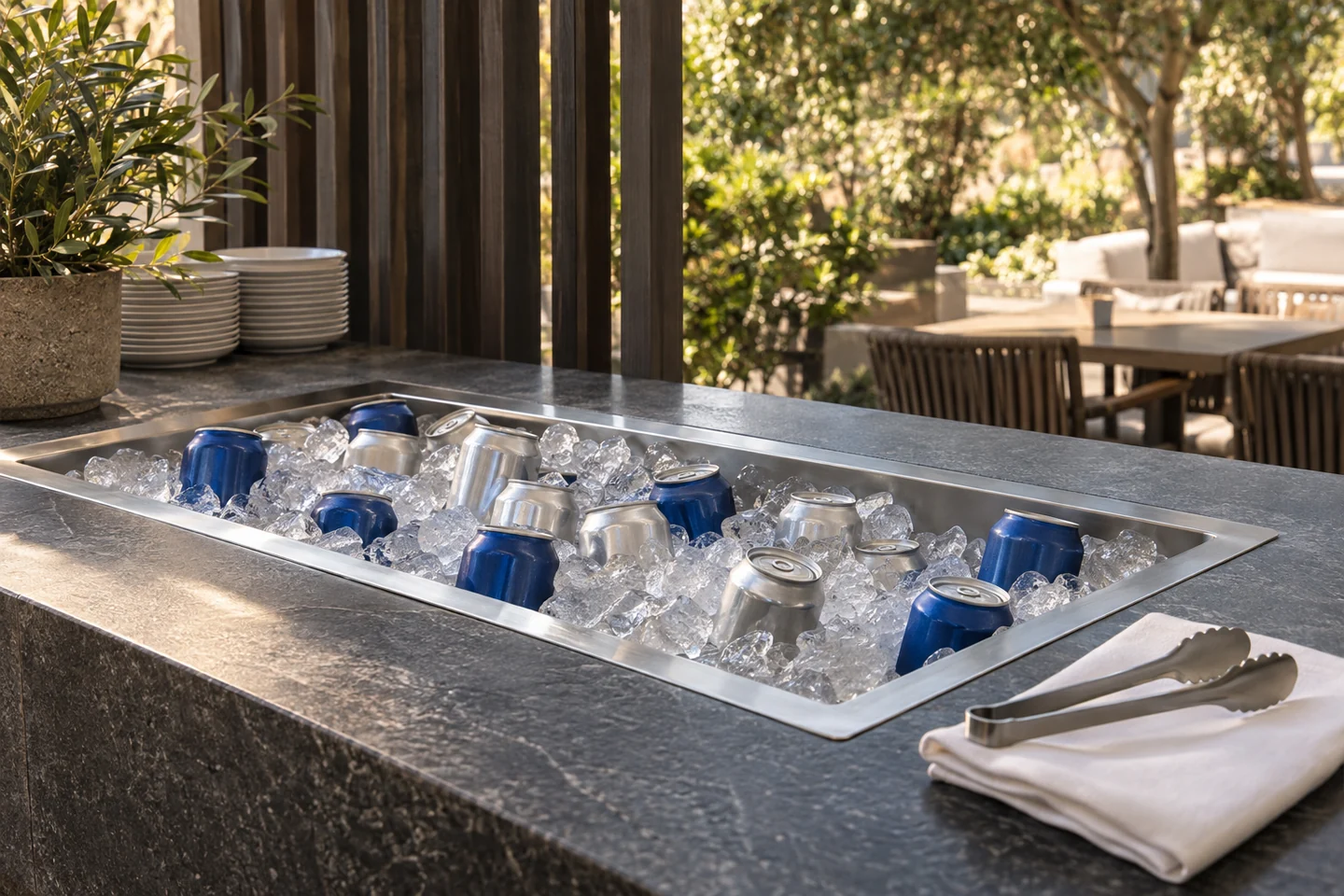
A catered event, a hospitality terrace or a staffed beverage station each has its own rhythm. Start with yours.
Tell us how you load cooling ice, serve sealed bottles and cans, and manage refills. Container materials, service conditions and cleanup all belong in the product conversation.
A colder drink experience and less ice handling are goals to evaluate against your current routine—not assumptions to build into a service plan.
A demonstration-led evaluation
See what changes. Measure what matters.
A useful comparison starts with a clear setup and an untreated control. Keep the drink, the cooling bath and the work around them separate in your notes.
Define the setup
Review the current label and handling guidance, container and beverage-packaging compatibility, and your operating conditions before choosing a method.
Compare like for like
Compare treated cooling ice with an untreated control. Match containers, ice quantity, starting temperatures and sealed drinks; record access, refills and surrounding conditions.
Review the whole routine
Record readings at agreed intervals alongside remaining ice, replenishment and handling. Review those observations before considering a wider operational evaluation.
Four things to record.
- Cooling-bath temperature
- The temperature of the ice-and-water environment.
- Beverage temperature
- Measure separately; a bath reading is not the temperature inside a sealed drink.
- Remaining ice
- Record ice remaining and any replenishment over the comparison.
- Handling
- Note refill trips, time spent handling ice and cleanup—not just temperature.
Bring your setup to the conversation